2011年4月30日土曜日
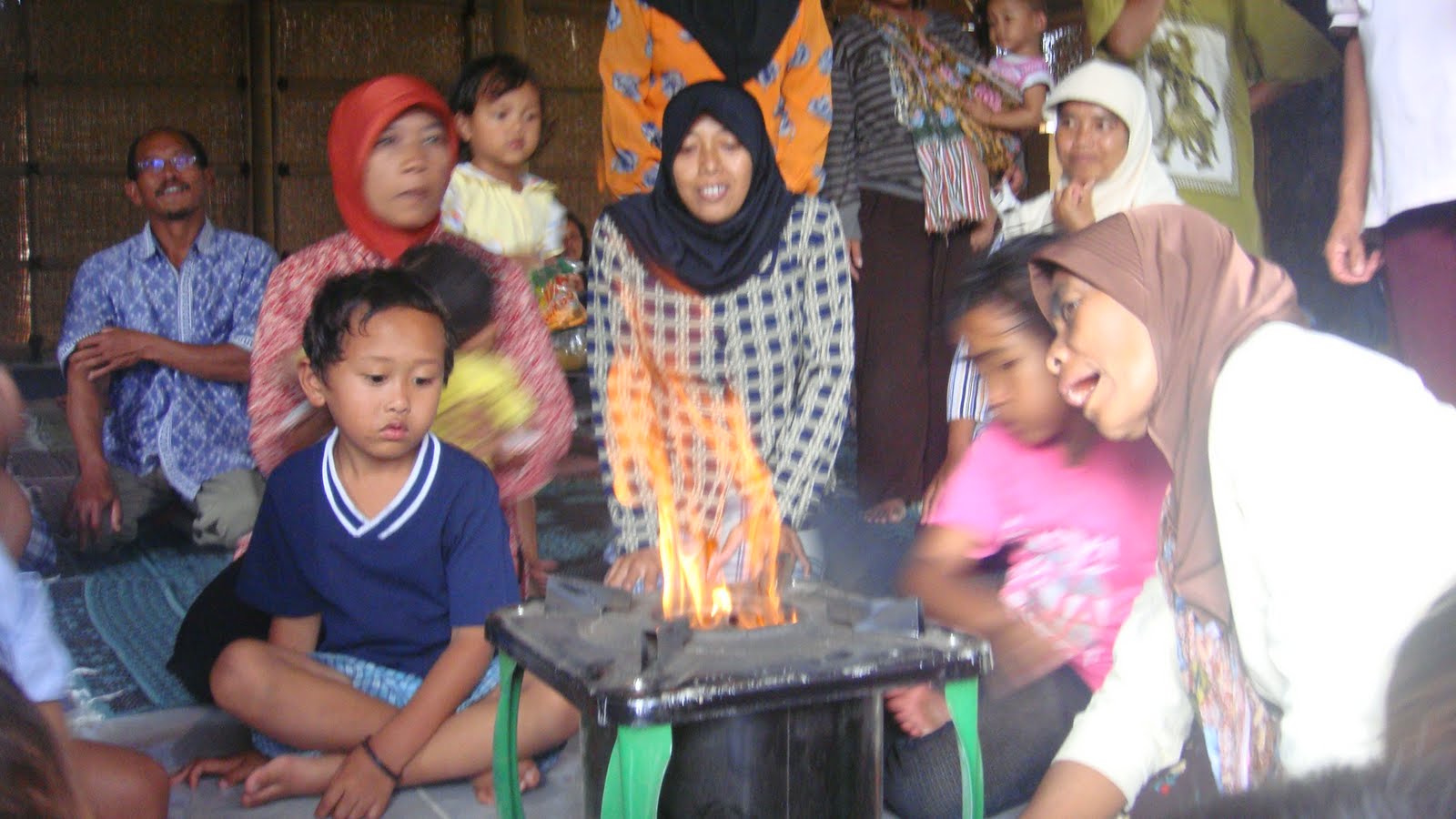
メラピ火山の被災者にバイオマス調理ストーブを届ける
2011年4月29日金曜日
See-D Innovation Challenge: 審査発表会5/22(日)開催決定!
See-dコンテストの審査発表会のお知らせです!*****【世界を変えるタネを育てよう】 ★途上国が抱える課題をものづくりで解決するビジネスプランコンテスト ~See-D Innovation Challenge~ 審査発表会5/22(日)開催決定!! *東北地方太平洋沖地震の影響を鑑み延期しておりました、「See-D Innovation Challenge」審査発表会の開催が決定しましたので、改めてお知らせいたします。 世界では、まだきれいな水にアクセスできていない人が10億人、電気が届かない人が14億人いることをご存知ですか?そのような地域では現場の生活様式・ニーズに合わせて作られた製品がないために「お金があっても買えない」状態にあることもしばしばです。 このような地域に向けて必要とされる製品を作り、持続可能な形で普及させられないかと日々奮闘している9つのグループがいます。 安全な水の運搬から小型発電装置の開発、地場産業の創出に至るまでの様々な分野において、日本発で、世界の人々の生活を一変させうるアイデアが生まれつつあります。 5月22日にこれらのチームによる活動の集大成として、See-D Innovation Challenge審査発表会を行います。 各チームが途上国の課題を解決するプロダクトとその普及プランを発表し、審査員・一般来場者・Web投票によって審査が行われます。 途上国の課題解決に向けて何かしたいと考えている方、ものづくり・起業に興味のある方、発明・イノベーションというキーワードが好きな方、国際開発やソーシャルビジネス・BOPビジネスに興味のある方、ぜひ審査発表会にいらっしゃいませんか?審査発表会では、会場に来ていただいたみなさんにも「世界を変えるタネを育てる一員」となっていただくべく、発表者と参加者が一体となる仕掛けを用意しています。皆さんにも、製品開発のわくわくを共有し、何かヒントを持ち帰ってもらえるような場にいたします。 なお、本審査発表会で賞が与えられたチームにつきましては、ビジネスの事業化をサポートする「第3部 See-D Incubation」へと進んでいただくことになります。 世界を変えるタネ(SeeD)を一緒に育てませんか? ★イベント概要★ 【日 時】 5月22日(日) 13:00~18:00(12:30開場、審査発表会後1時間程度の懇親会を予定) 【場 所】 政策研究大学院大学 想海樓ホール(東京都港区六本木7-22-1) http://www.grips.ac.jp/jp/about/access.html (千代田線乃木坂駅徒歩5分・大江戸線/日比谷線六本木駅 徒歩5~10分) 【参 加 費】 社会人: 2,000円、学生: 1,000円(飲料・軽食の懇親会費込、GRIPS学生は参加費無料[IDをご持参下さい]) 【申 込 方 法】 申込フォーム( http://kokucheese.com/event/index/10608/ ) 【主 催 団 体】 米国NPO コペルニク(http://www.thekopernik.jp/) 【共 催 団 体】 政策研究大学院大学 ※ See-D Contest の詳細は、http://see-d.jp/ を参照ください。 ※審査発表会では、政策研究大学院大学政策研究科の黒川教授、既に途上国で先進的な取り組みを 進められている日本ポリグルの小田会長、石黒猛クリエイティブ・ラボの石黒猛様、ベンチャーキャピタルであるNGIグループの金子社長をはじめ、グローバル企業や国際機関の 第一線で活躍する方々がゲストとしていらっしゃいます。プログラムの詳細は http://see-d.jp/final_presentation.html よりご覧ください。 See-D実行委員会 info[a]see-d.jp ([a]を@に変えてご連絡ください)

2011年4月25日月曜日
自分で作るテクノロジー(DIY)実践編ビデオ!
2011年4月19日火曜日
Powerfilmが被災地に届く
チーム ディナー
2011年4月18日月曜日
バイオ・ディーゼルの原料で調理用ストーブを使ってみる
2011年4月16日土曜日
途上国政府による介入で貧困層にメガネが普及するのか?
I am a co-founder of Kopernik (kopernik.info), the technology marketplace for the developing world. I enjoyed reading this insightful article, and wanted to share my thoughts on the role of the government to scale up eyeglass distribution in the developing world.
In my previous roles working for the UN, I worked with many governments in developing countries, and in most cases, they face major funding shortfalls and lack the necessary human resources and structure to manage and implement basic government services,. Typically the poorer the country is, the weaker its government is.
In such situations, betting on developing country governments to develop a policy to subsidize the cost of eyeglasses, allocate funds, set up the distribution mechanism is simply too much to ask for. There are chronic shortages of basic health facilities and health personnel in the first place. Life-threatening issues, such as HIV/Malaria/TB and vaccine programs are given priority, and even these areas do not get sufficient attention and funding. It would be difficult to imagine that a government in this situation would even consider allocating funds to distribute eyeglasses on a national scale. This doesn’t even happen in most developed countries.
Another thing to consider is that as many developing countries, especially the poorest ones, rely heavily on external aid, and often the big donors have a say in the government decisions. From my experience, such agencies would be hesitant to fund emerging solutions on a large scale, given their natural tendency to avoid risk.
Having said that, I have seen eyeglasses distributed by the government to victims of natural disaster, so it can happen, though it is rare. The point is that while government can play a role, it is unlikely to be a major player in the distribution of eyeglasses in developing countries, and thus unlikely to solve the scalability issue.
As you say, business is a critical player, but typically focused on more lucrative markets - not the poorest, more remote areas. The solution in reaching the last mile population therefore lies in the approach that is referred to in your article. Using philanthropic funding, non-profits can take risks and trial innovative approaches, and prove the positive impact on the people’s life. Non-profits need to be persistent, invent cost-effective distribution mechanism to the last mile using creative partnership with local NGO and microfinance institutions, demonstrate its impact with data, and continue to engage the government, aid community, and businesses, with patience. Non-profit in this scenario plays more active role in serving the unreached.